Interior design can make or break your business in the UAE’s highly competitive market. From retail stores to offices and restaurants, poor design decisions can reduce customer engagement, impact productivity, and even lead to regulatory issues.
In this blog, we explore the most common interior design mistakes businesses make in the UAE and how Design Core Interior Design helps you avoid them to create high-performing, revenue-driven spaces.
What Are the Most Common Interior Design Mistakes ?
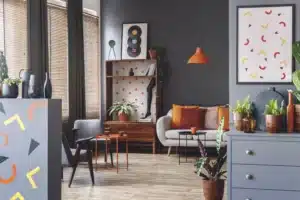
Many interior design mistakes in the UAE happen when businesses rush projects, follow trends blindly, or ignore local regulations and user behavior.
These commercial interior design mistakes affect:
- Office productivity
- Retail sales performance
- Restaurant customer experience
Common issues include:
- Poor space planning and inefficient circulation
- Weak lighting and MEP coordination
- Lack of brand identity in design
- Ignoring UAE fit-out approvals and fire safety regulations
Space Planning Mistakes That Damage Commercial Interiors
One of the biggest interior design mistakes UAE businesses make is skipping proper space planning.
Many business owners jump straight into furniture selection without asking:
- Who will use the space?
- How will people move through it?
- What experience should the space deliver?
This leads to:
- Wasted space
- Poor layout flow
- Expensive redesigns
Smart space planning ensures your interior supports both functionality and business goals.
Office Design Mistakes Businesses Often Repeat
In office environments, poor design directly affects employee performance and brand perception.
Common office design mistakes in the UAE:
- Overcrowded workstations with poor circulation
- No separation between collaboration and focus zones
- Weak reception areas that fail to create a strong first impression
A well-designed office should improve workflow, enhance employee comfort, and reflect your brand identity.
Retail Design Mistakes That Reduce Sales
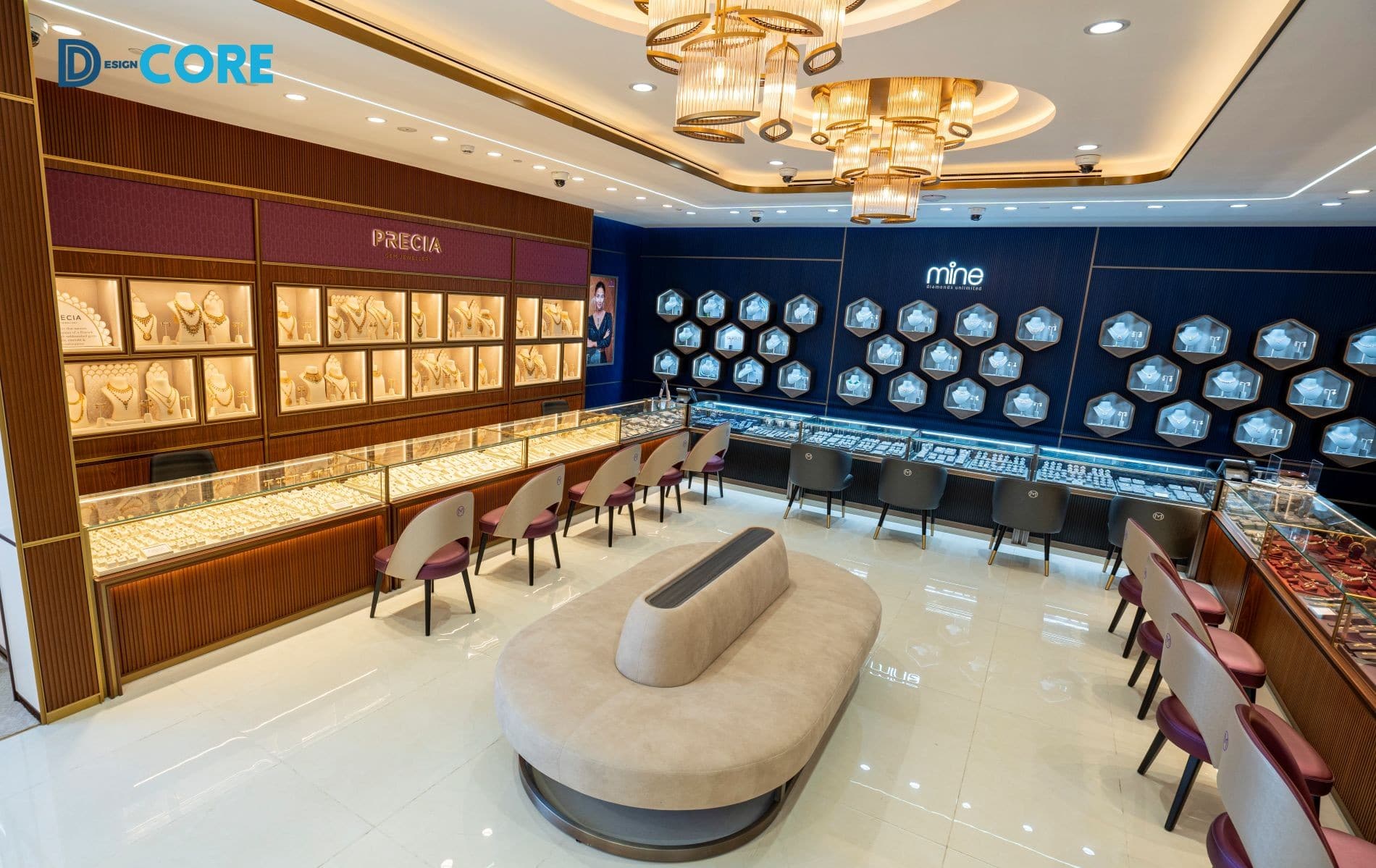
Retail interior design plays a critical role in influencing customer behavior. Many retail design mistakes UAE brands make directly impact revenue.
Common retail mistakes include:
- Narrow aisles restricting customer movement
- Poor product visibility and blocked sightlines
- Inefficient checkout placement causing congestion
Effective retail design acts as a “silent salesperson”, guiding customers from entry to purchase.
Restaurant Interior Design Mistakes That Hurt Customer Experience
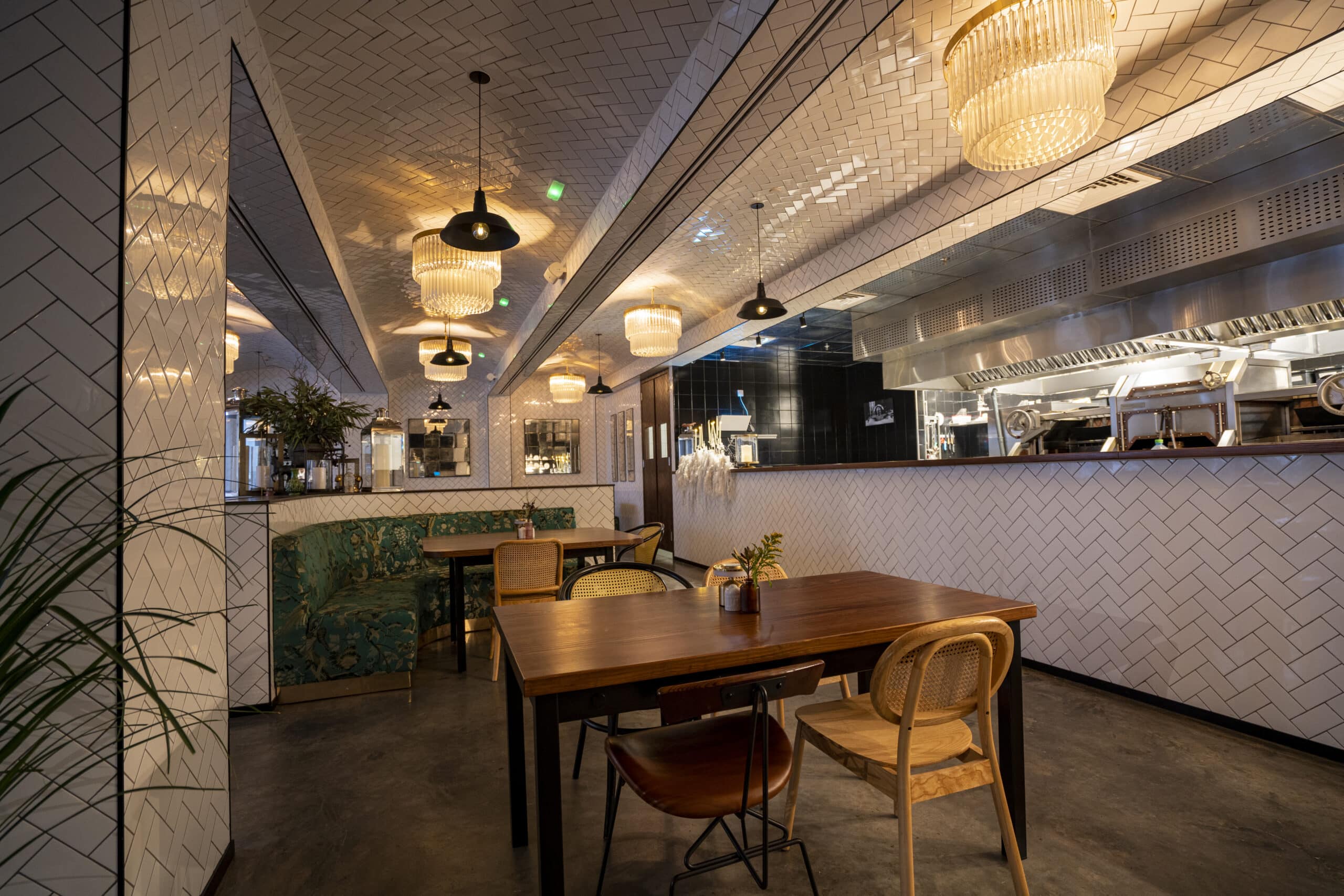
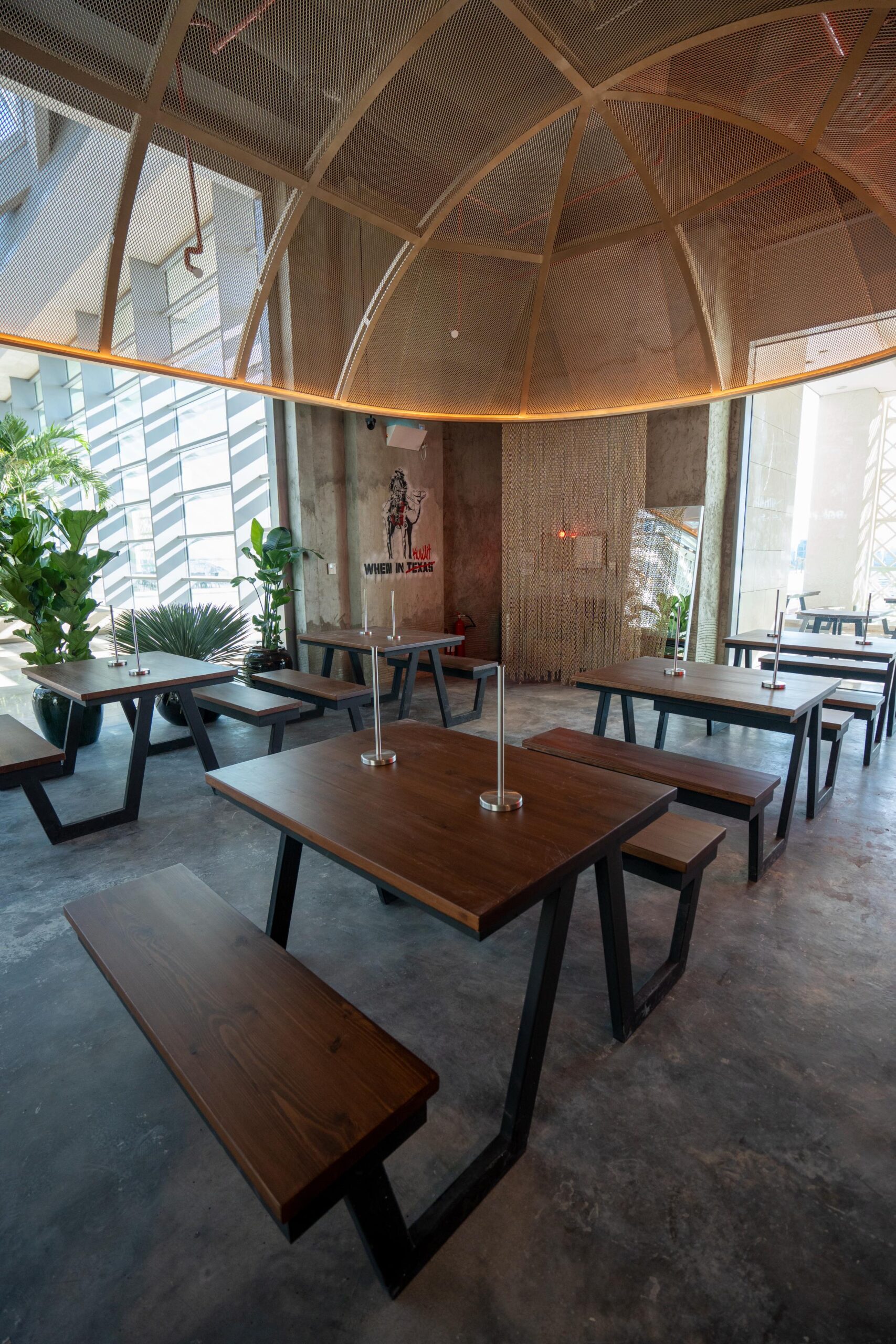
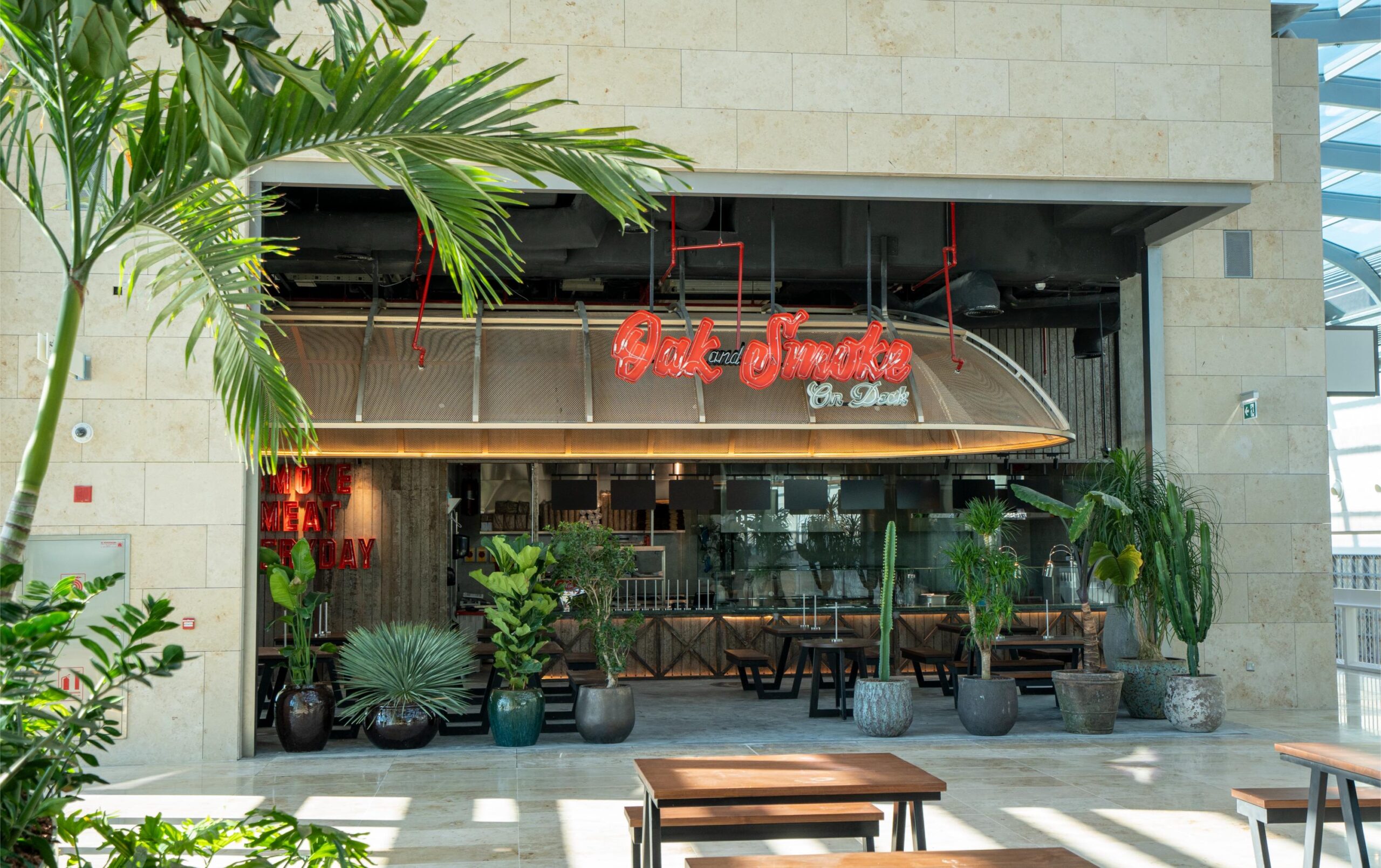
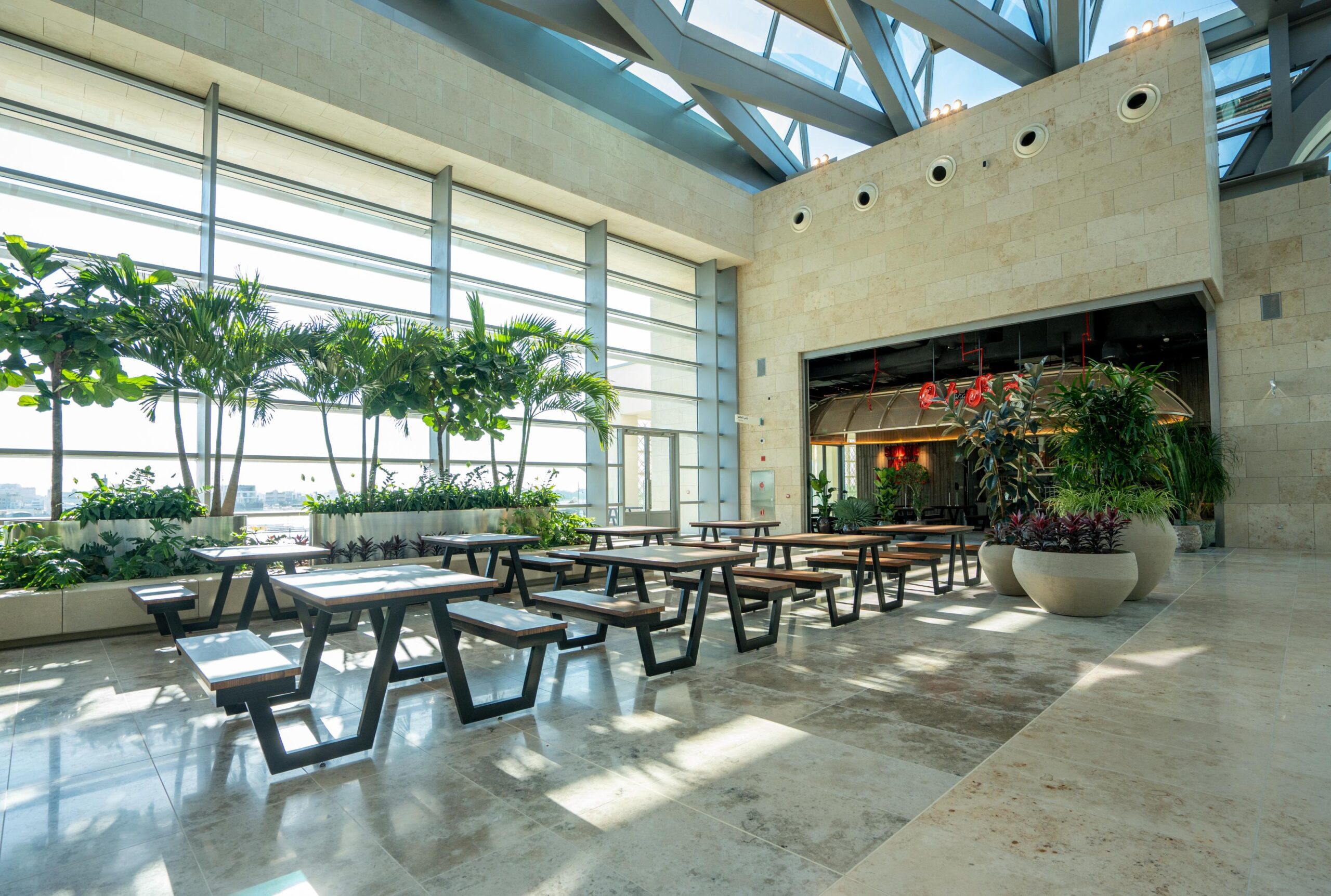
Restaurant interior design requires a balance, comfort, and functionality. Repeating common mistakes can quickly lead to poor reviews and reduced repeat visits.
Common restaurant design mistakes:
- Overcrowded seating layouts
- Poor acoustics creating noisy environments
- Visible service clutter affecting dining experience
A successful restaurant design must balance:
- Seating density
- Customer flow
- Lighting and ambiance
- Kitchen-to-dining efficiency
When Trends Overpower Function in Interior Design
Following trends without considering functionality is a major mistake in UAE interiors.
Common problems include:
- Hard-to-maintain materials
- Delicate finishes in high-traffic areas
- Decorative lighting that affects safety or usability
The best interiors balance aesthetics, durability, and long-term maintenance.
Lighting, MEP, and Compliance Mistakes in UAE Fit-Out Projects
Technical planning is often overlooked, leading to delays and costly redesigns.
Common technical mistakes:
- Flat, ineffective lighting with no layering
- Poor HVAC performance in high temperatures
- Ignoring fire safety codes and escape routes
In the UAE, strict regulations from authorities require:
- Proper fire safety compliance
- Approved materials and layouts
- Coordinated MEP planning
Early planning avoids project delays and approval issues.
Branding, Comfort, and Material Selection Mistakes

Many businesses underestimate the importance of branding and comfort in interior design.
Common mistakes:
- Inconsistent design styles and branding
- Uncomfortable furniture that reduces user satisfaction
- Materials that wear out quickly in high-traffic areas
Interior design should reflect your brand while ensuring long-term usability and comfort.
How Design Core Interior Design Helps You Avoid These Mistakes
Design Core Interior Design is a leading commercial interior design and Interior fit-out company in the UAE, specializing in business-driven interiors.
Key services include:
- Concept design and 3D visualization
- Space planning and layout optimization
- Retail, office, and hospitality interiors
- MEP and lighting coordination
- Full turnkey fit-out solutions
By combining creative design with technical expertise, Design Core ensures every project is:
- Functional
- Compliant
- Brand-focused
- Built for long-term performance
Conclusion
Avoiding common interior design mistakes in the UAE is essential for protecting your investment, enhancing customer experience, and maximizing overall business performance in a highly competitive market.
By partnering with the best interior design company in UAE, such as Design Core Interior Design, businesses can ensure their spaces are strategically planned, visually impactful, fully compliant with local regulations, and designed to support long-term growth, efficiency, and brand success.
Don’t let poor design impact your business performance.
Work with Design Core Interior Design to transform your office, retail, or restaurant into a space that is functional, compliant, and built for success.
FAQs
Q1. What is the biggest interior design mistake businesses make?
A. Skipping proper space planning and focusing on aesthetics before functionality.
Q2. How do interior design mistakes affect business performance?
A. They reduce efficiency, impact customer experience, and lower revenue potential.
Q3. What are common office design mistakes in the UAE?
A. Poor layouts, lack of zoning, and weak reception design.
Q4. What retail design mistakes should businesses avoid?
A. Cluttered layouts, poor product visibility, and inefficient customer flow.
Q5. What are the most common restaurant design mistakes?
A. Overcrowding, poor acoustics, and weak lighting design.